
In today‘s global luxury watch market, the rise of high quality counterfeit Rolex watches has made authentication more critical than ever. What was once easy to detect has evolved into a sophisticated segment of the market, where replicas are engineered to closely imitate the appearance of genuine timepieces. For buyers, this creates a landscape where visual similarity can be misleading, and surface level inspection is no longer enough.
A Rolex is not defined by its design alone. It is defined by precision engineering, proprietary materials, strict manufacturing standards, and a level of consistency that is maintained across every single component. These are qualities that counterfeit manufacturers attempt to replicate but cannot fully achieve. The difference between an authentic Rolex and a fake lies not in one obvious flaw, but in the accumulation of small, precise details working together at the highest standard.
This guide is built to provide a deeper understanding of those details. Not just what to look for, but why those elements matter, and how they reflect the true identity of a Rolex. When you understand the structure behind the watch, the difference becomes clear, and the risk becomes controllable.
How Counterfeit Rolex Watches Are Actually Produced

Counterfeit Rolex watches are typically manufactured using industrial processes that prioritize visual similarity over structural integrity. In many cases, factories focus heavily on replicating the external design, including the dial layout, bezel shape, and bracelet style, because these are the first elements a buyer notices. However, the internal components are often built with lower-grade materials, simplified construction, and reduced engineering precision.
More advanced counterfeit operations attempt to go further by imitating weight, polishing techniques, and even mechanical movements. Some replicas now use automatic movements to mimic the sweeping motion of a genuine Rolex, making them more convincing at first glance. Despite this, these movements lack the refinement, durability, and accuracy of Rolex’s in-house calibres. Over time, the difference becomes evident through performance inconsistency, wear, and mechanical failure.
The key reality is this: counterfeit watches are built to pass visual inspection, not to match the long-term performance or engineering integrity of a genuine Rolex. This is why deeper evaluation is essential.
Movement and Internal Precision

The movement is the foundation of every Rolex watch, and it remains one of the most reliable ways to distinguish authenticity. Rolex designs and manufactures its movements in-house, applying strict tolerances and testing standards. These movements are regulated to achieve a high level of accuracy and consistency, which is why Rolex watches are known for their reliability over time.
A genuine Rolex produces a smooth, continuous sweep of the seconds hand due to its high-frequency mechanical movement. While some advanced replicas attempt to imitate this motion, they often lack the same fluidity and precision when observed closely. Additionally, the internal finishing of a Rolex movement is executed to a standard that counterfeit movements do not match, even if they appear similar externally.
The movement is not just about how the watch looks in motion. It is about how it performs over months and years. Authentic Rolex movements are built for longevity, while counterfeit equivalents are not engineered to maintain that level of performance.
Material Quality and Weight Distribution

Rolex is known for using high-grade materials, including Oystersteel, proprietary gold alloys, and platinum. These materials are not only selected for their appearance but also for their durability, corrosion resistance, and long-term stability. As a result, a genuine Rolex has a distinct weight and balance that reflects the density and quality of these materials.
Counterfeit watches often attempt to replicate this by adding weight, but the distribution is usually inconsistent. The feel of the watch may seem heavy, but not refined. Edges may feel less precise, and the overall construction lacks the uniformity found in an authentic piece.
Material quality also affects how the watch ages. Genuine Rolex watches maintain their structure and finish over time, while counterfeit watches are more likely to show signs of wear, fading, or degradation much earlier.
Dial Execution and Detail Precision
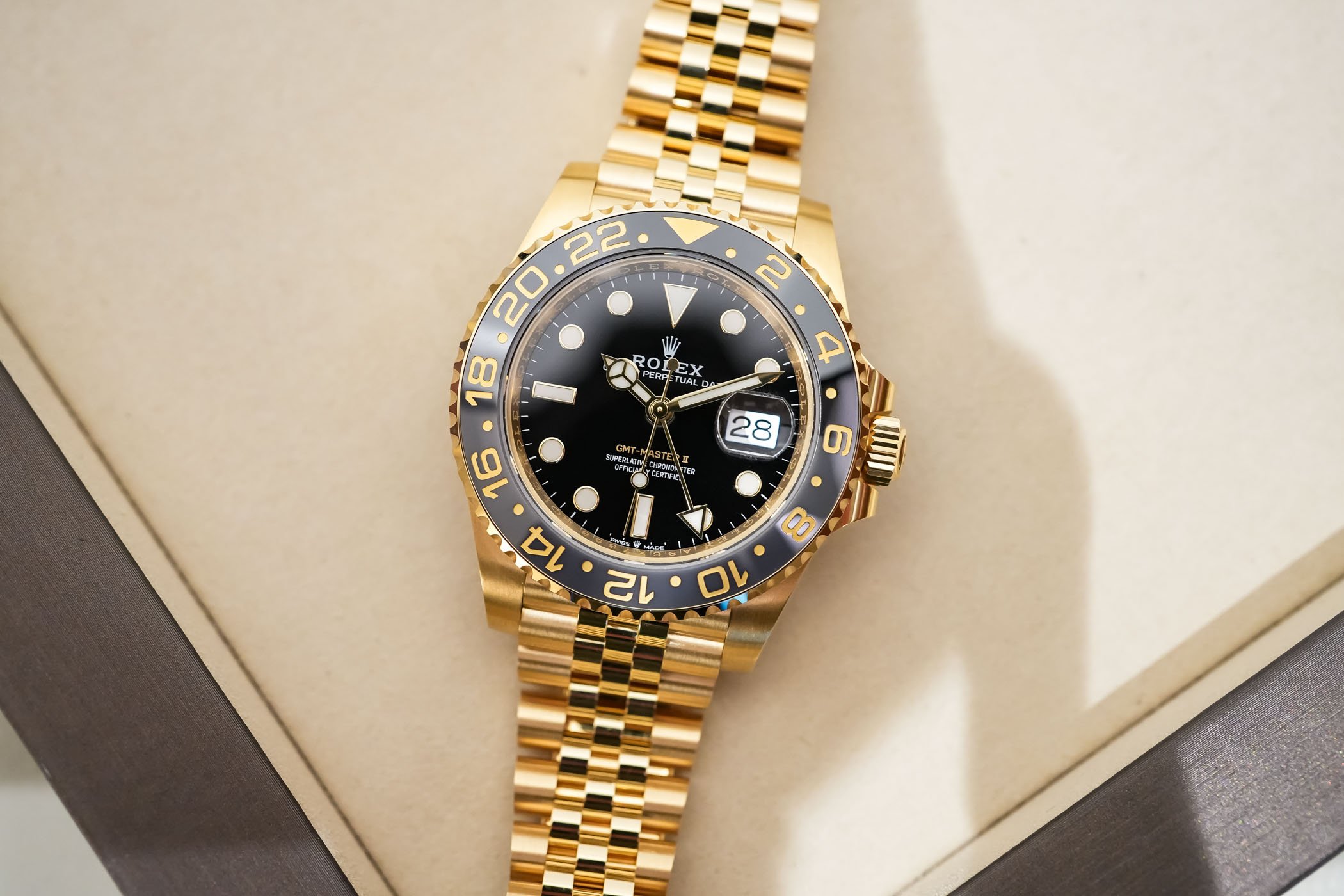
The dial of a Rolex is one of the most controlled and refined components of the watch. Every element, from the applied hour markers to the printed text, is executed with exact alignment and consistency. The surface finishing is uniform, and the details are sharp under close inspection.
Counterfeit dials often appear correct at a glance but reveal inconsistencies when examined carefully. Text may be slightly misaligned, markers may not sit perfectly, and finishing may lack depth. These differences are subtle but critical, as Rolex maintains extremely tight tolerances in dial production.
The dial represents the face of the watch, but it also reflects the precision behind it. Any inconsistency is a signal that the watch does not meet Rolex standards.
Cyclops Lens and Date Magnification
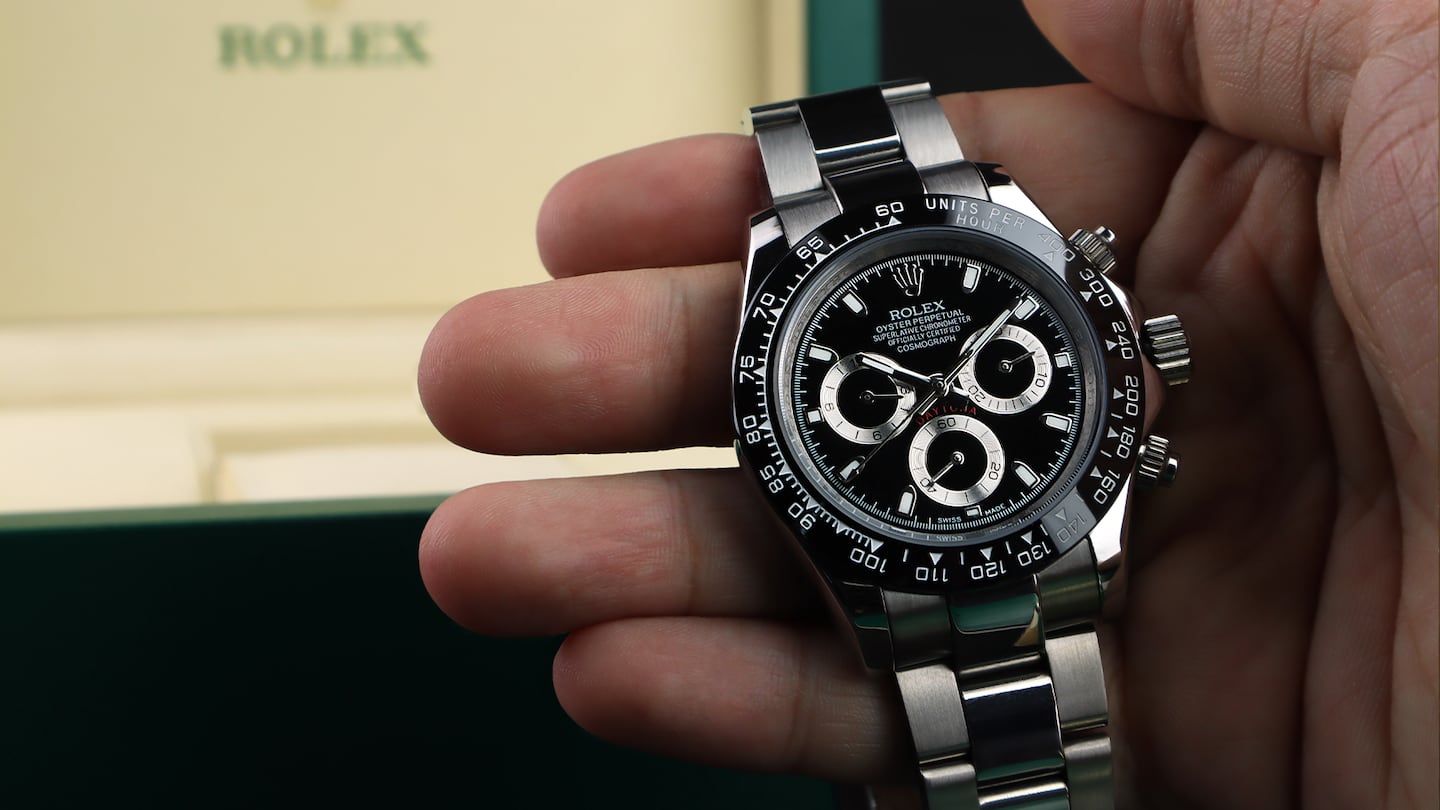
The Cyclops lens is one of Rolex’s most recognizable features, and it is also one of the most difficult to replicate accurately. On a genuine Rolex, the lens magnifies the date by approximately 2.5 times, making it clear and easy to read.
Counterfeit watches often struggle to achieve this level of magnification. The date may appear smaller, slightly distorted, or incorrectly positioned within the window. While this may seem like a small detail, it is one of the most reliable indicators of authenticity.
Engravings, Serial Numbers, and Finishing
Rolex engravings are executed with extreme precision using advanced techniques. Serial numbers, model references, and internal markings are sharp, clean, and perfectly aligned. The depth and clarity of these engravings reflect the brand’s manufacturing standards.
In counterfeit watches, engravings are often less refined. They may appear shallow, uneven, or slightly incorrect in font or spacing. These differences may not be immediately obvious, but they become clear under closer inspection.
Serial numbers themselves can be copied, but the quality of the engraving cannot easily be replicated to the same standard.
Case Back Construction and Design Integrity
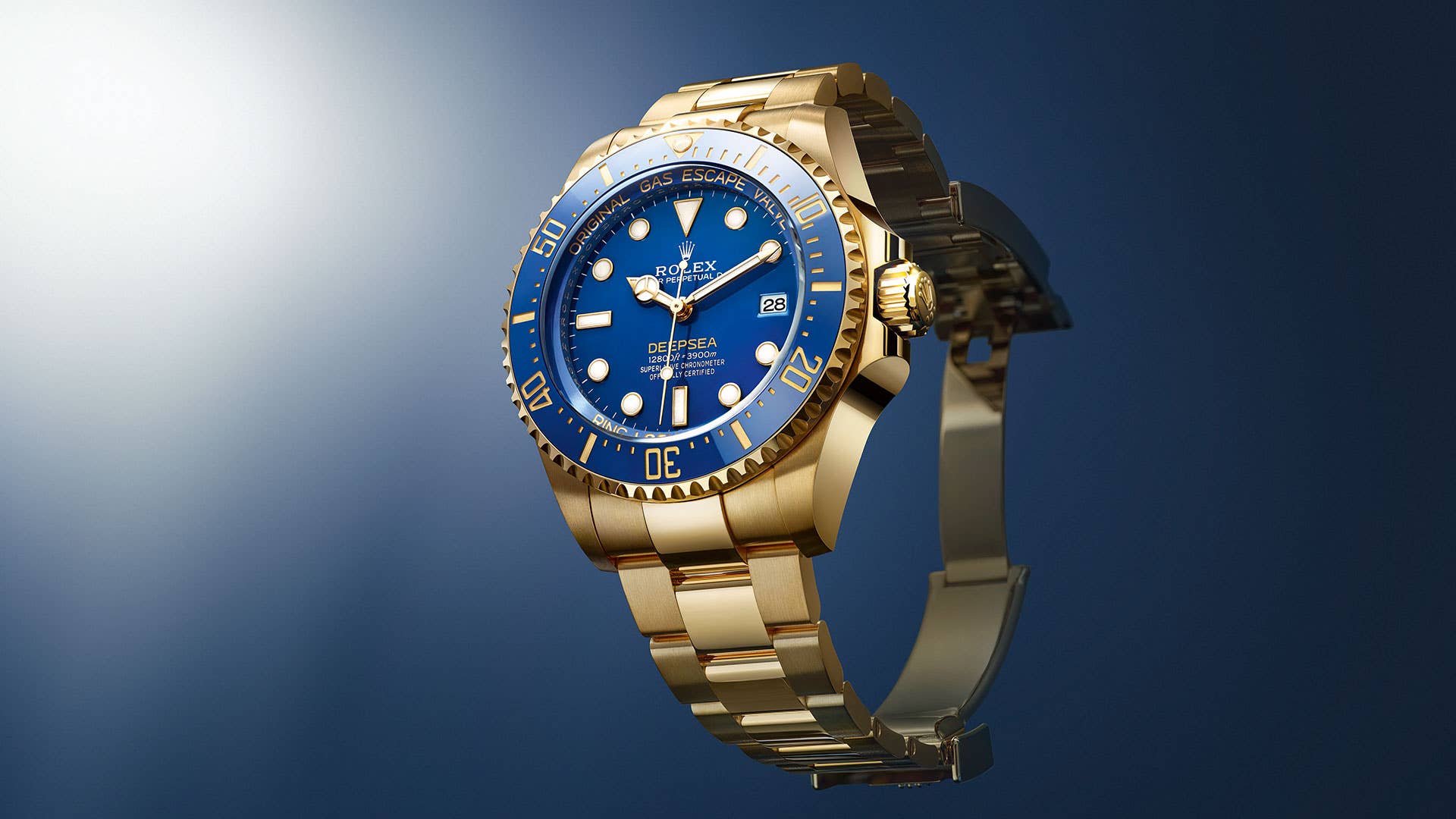
Rolex is known for maintaining a consistent design philosophy, including the use of solid case backs on most models. This contributes to durability, water resistance, and structural integrity.
Counterfeit watches often introduce unnecessary design elements, such as transparent case backs, to create visual appeal. While this may seem attractive, it is not consistent with standard Rolex design and is often a clear indicator of a non-authentic piece.
Price, Market Reality, and Risk Signals
One of the most important factors in identifying a fake Rolex is understanding market pricing. Rolex watches maintain strong value due to demand, brand strength, and controlled production. Prices that appear significantly below market level without a clear and verifiable reason should be approached with caution.
In many cases, pricing alone can serve as an early warning signal. If an offer seems too good to align with market reality, it often carries hidden risk.
Why Knowledge Alone Is Not Enough
While understanding these technical details is essential, it is important to recognize that some high-end counterfeits are designed to pass even careful visual inspection. This means that knowledge reduces risk, but does not eliminate it entirely.
The most effective approach is combining knowledge with trusted sourcing. When a watch has been properly inspected, verified, and handled by professionals with experience in the market, the uncertainty is removed at the source rather than at the point of purchase.