
The tourbillon is one of the most technically significant inventions in watchmaking, originally developed by Abraham Louis Breguet in 1795 to improve accuracy by counteracting the effects of gravity on the escapement. The mechanism places the balance wheel and escapement inside a rotating cage, allowing positional errors to be averaged out over time. While originally designed for pocket watches, the tourbillon has evolved into a symbol of mechanical mastery in modern wristwatches.
In contemporary horology, the tourbillon is no longer just a functional regulator. It has become a platform for innovation. Watchmakers now develop multi axis, inclined, double, and even quadruple tourbillons, pushing the limits of precision and engineering complexity. Brands such as Patek Philippe, Greubel Forsey, and Jaeger LeCoultre continue to refine the mechanism, combining it with additional complications and advanced construction techniques.
The 10 Best Tourbillon Watches Ever Created
1. Patek Philippe Sky Moon Tourbillon Ref. 6002R
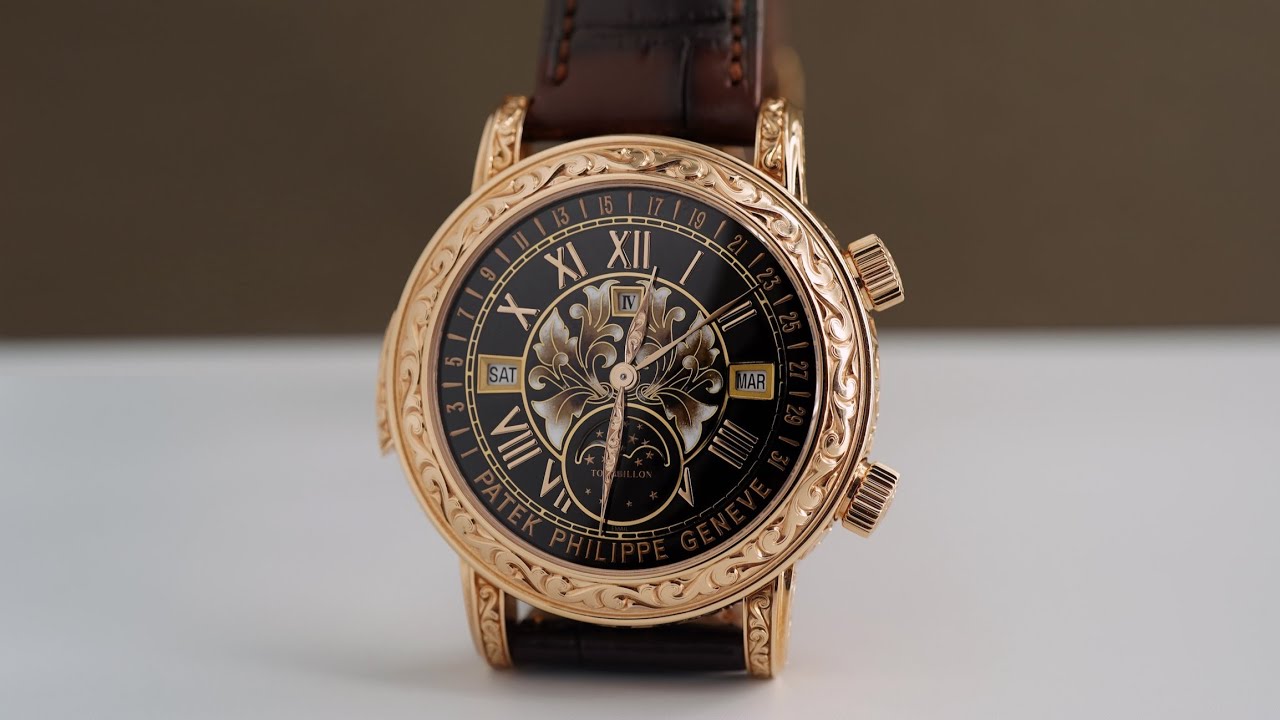
One of the most complex wristwatches ever produced, this model integrates 12 complications including a tourbillon, minute repeater, perpetual calendar, and a celestial sky chart. The manually wound calibre R TO 27 QR SID LU CL operates within a double sided case, allowing separate displays for astronomical and calendar functions. The 44 mm rose gold case is hand-engraved and paired with Grand Feu enamel dials. Production is extremely limited, with only a few pieces made per year, and each watch requires extensive approval and craftsmanship time.
2. Greubel Forsey Double Tourbillon 30°
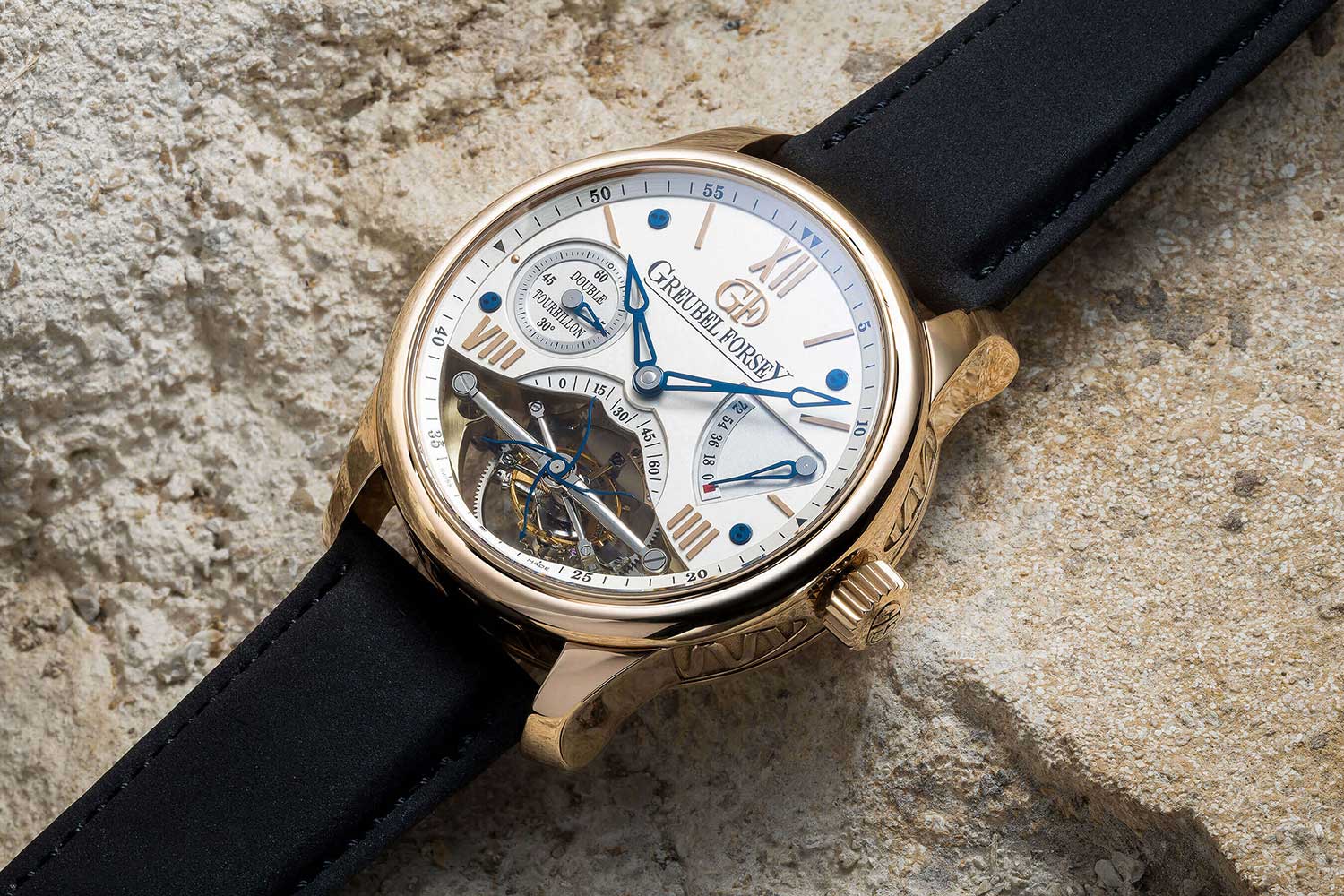
This watch introduced a revolutionary double tourbillon system, where one tourbillon cage is inclined at 30 degrees and rotates inside another cage. The inner cage rotates once per minute, while the outer completes a rotation every four minutes. The construction includes over 130 components within the tourbillon system alone, all finished by hand. This model won the International Chronometry Competition in 2011, demonstrating its focus on precision performance.
3. Greubel Forsey Quadruple Tourbillon

Building on its double tourbillon architecture, this model incorporates four tourbillon cages connected through a spherical differential. The system distributes energy between the rotating cages to improve timekeeping stability. It represents one of the most advanced mechanical solutions ever developed for regulating precision in a wristwatch.
4. Jaeger-LeCoultre Gyrotourbillon I
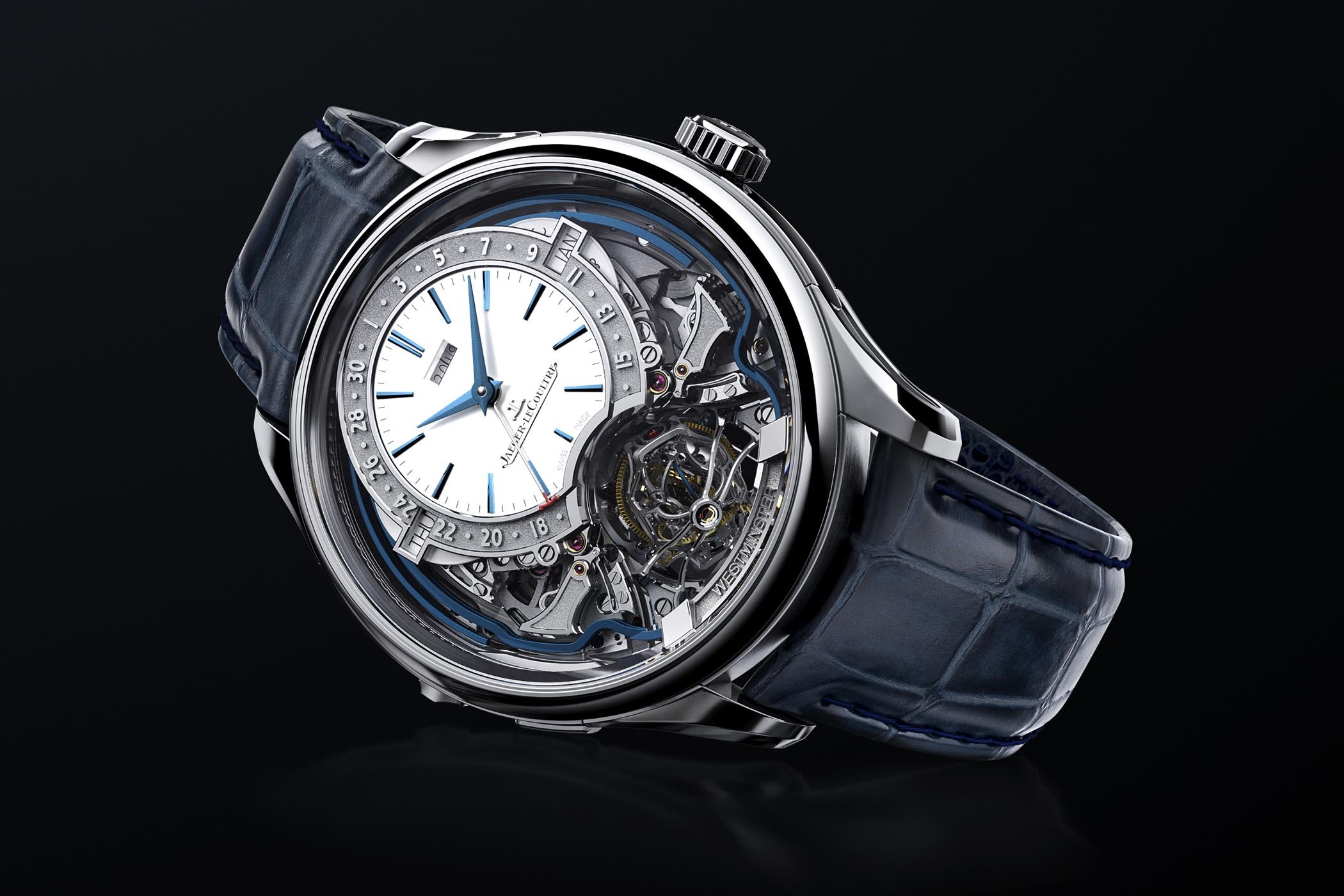
This watch introduced a multi-axis tourbillon system with a spherical cage rotating on two axes. It integrates additional complications such as perpetual calendar and equation of time. The movement architecture is highly complex, requiring precise synchronization of multiple rotational systems, and marked a major advancement in tourbillon design.
5. Breguet Tradition Tourbillon Fusée
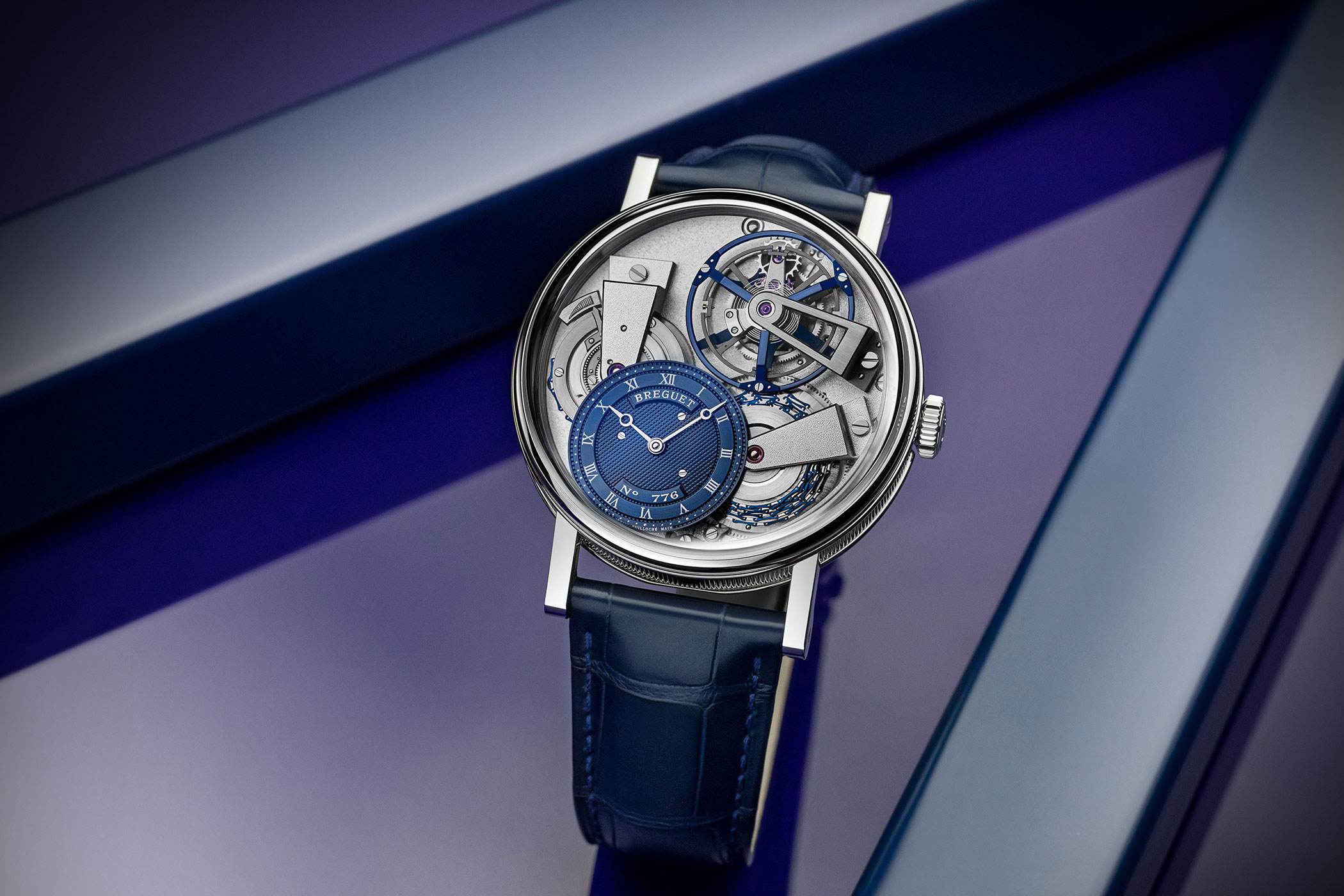
Inspired by historical marine chronometers, this watch combines a tourbillon with a fusée-and-chain transmission system, which delivers constant force to the escapement. The mechanism compensates for variations in mainspring torque, improving stability across the power reserve. The open architecture reveals the entire system on the dial side.
6. Audemars Piguet Royal Oak Concept Flying Tourbillon
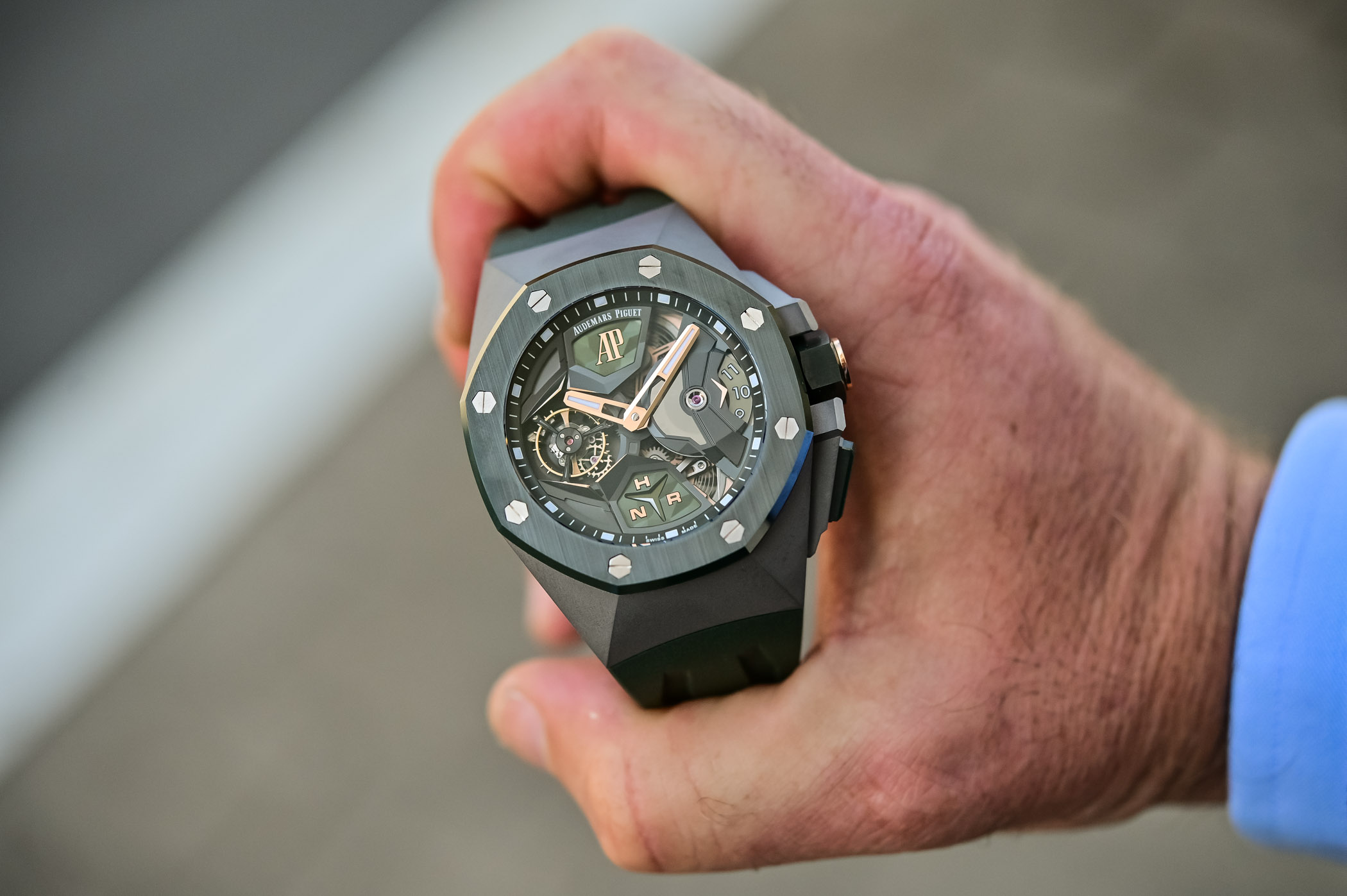
A modern interpretation of the tourbillon, this model uses a flying tourbillon that is supported from one side only, improving visual exposure. The openworked architecture emphasizes structural design while maintaining mechanical precision. The movement is integrated into a robust case built for contemporary wear.
7. Vacheron Constantin Overseas Tourbillon

This model integrates a tourbillon within a sports-oriented case while maintaining high finishing standards. The ultra-thin automatic movement includes a peripheral rotor, allowing the tourbillon to remain fully visible. It offers a power reserve exceeding three days and maintains a slim profile despite its complexity.
8. Bulgari Octo Finissimo Tourbillon Automatic

Known for its ultra-thin construction, this watch combines a tourbillon with a peripheral rotor to reduce thickness. The movement is engineered to maintain structural rigidity despite its minimal profile, making it one of the thinnest tourbillon watches ever produced.
9. Thomas Prescher Triple Axis Tourbillon

This watch introduced the first triple-axis tourbillon for wristwatches, where the escapement rotates on three independent axes. This multi-axis system improves positional averaging and represents one of the most complex tourbillon configurations ever developed.
10. Girard-Perregaux Three Gold Bridges Tourbillon
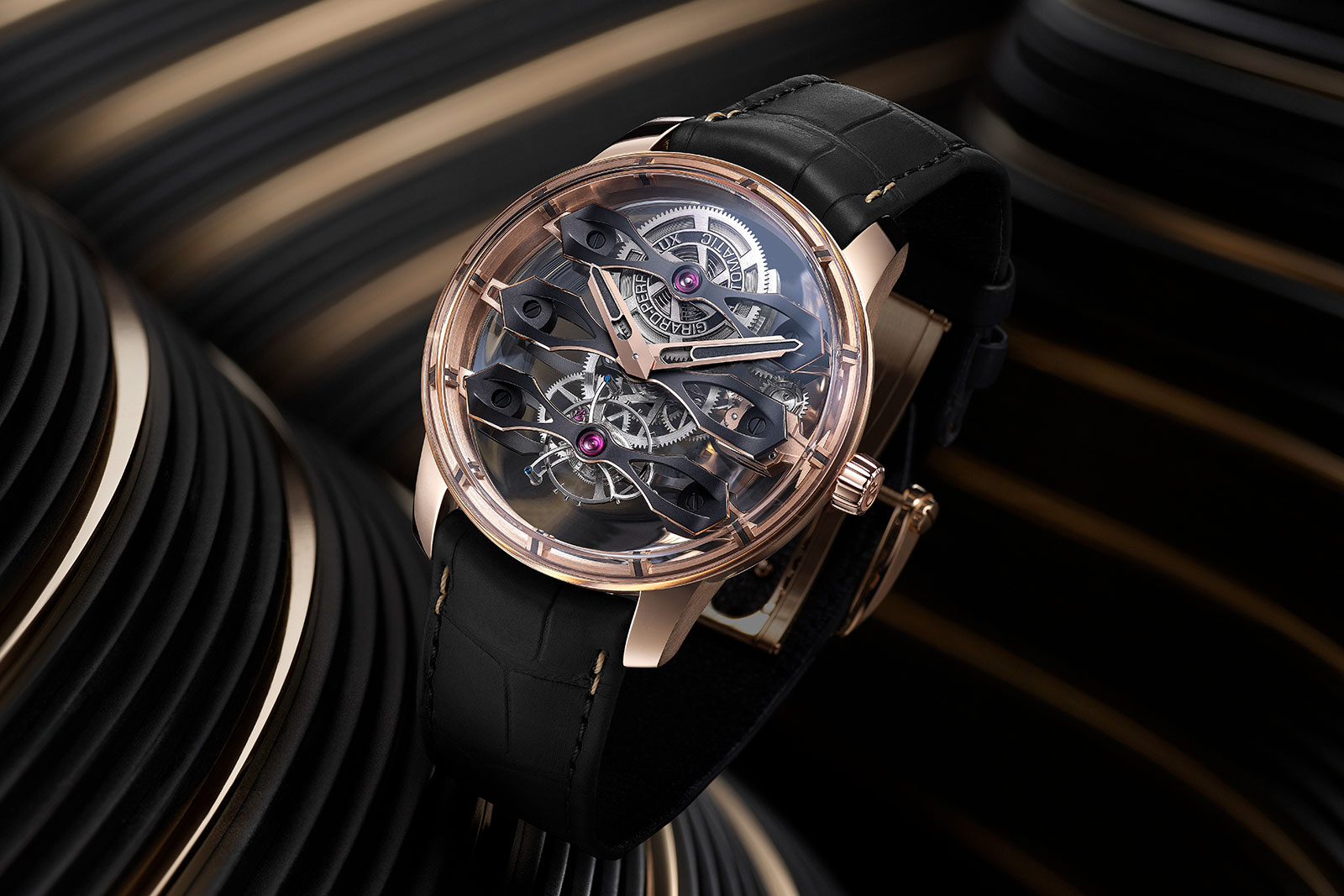
A historically significant design, this watch showcases the tourbillon within a linear bridge architecture. The three gold bridges align the gear train and tourbillon in a symmetrical layout, combining mechanical precision with visual identity. It remains one of the most recognizable tourbillon designs in watchmaking.
Precision refined through gravity-defying engineering
The tourbillon represents one of the highest achievements in mechanical watchmaking, not because it is necessary today, but because of what it demonstrates. It reflects a pursuit of precision that goes beyond practical requirements, pushing engineering into the realm of mastery.
Modern tourbillon watches continue to evolve through multi-axis systems, advanced materials, and improved energy management. At the highest level, they are not simply timekeeping devices. They are mechanical statements, built to showcase the limits of precision, craftsmanship, and innovation within horology.